
In high-frequency transformers, we frequently test withstand voltage, such as 3750VAC/1mA/60S/50Hz; for higher requirements, we also test insulation resistance, such as ≥500MΩ@1000VDC/60S.
However, our tests are conducted under power frequency conditions, while our high-frequency transformers operate at high frequencies. This inevitably raises the question: what withstand voltage requirements must be met under high-frequency conditions? Can the withstand voltage tested at power frequency be equated to the withstand voltage requirements at high frequencies.
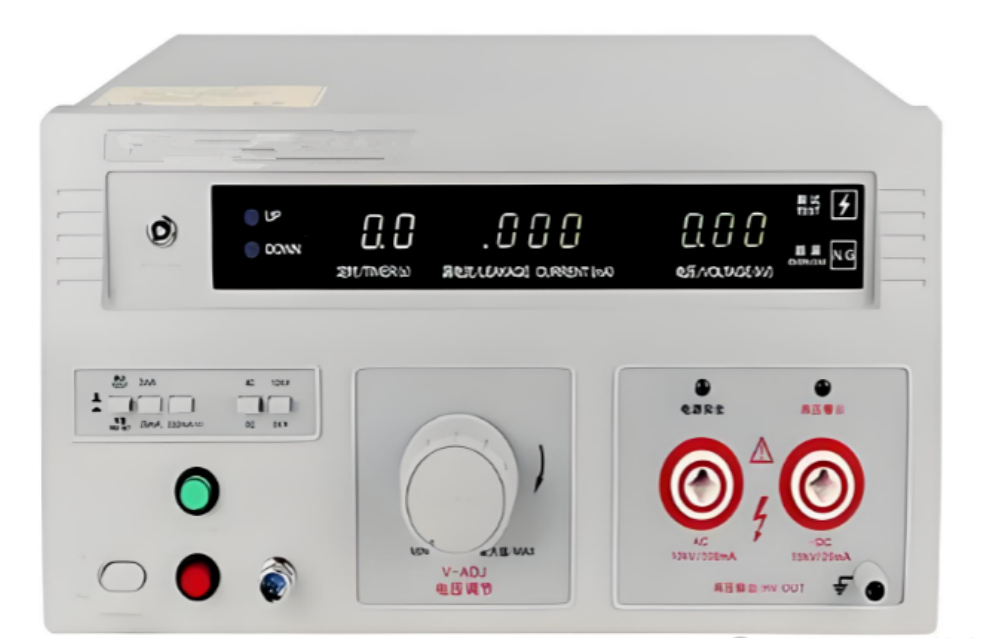
Under high-frequency conditions, the dielectric loss of the transformer insulation material increases significantly. This loss is often detrimental to high-frequency transformers, as it is converted into heat, causing the insulation material temperature to rise.
This temperature increase often leads to a decrease in the mechanical strength of the insulation material, increasing the risk of structural deformation and material cracking, potentially ultimately causing insulation breakdown. Secondly, the high-frequency electric field increases the frequency and intensity of partial discharges, accelerating the degradation process of the insulation material.
Under the influence of a high-frequency electric field, partial discharges are easily generated at defects such as bubbles, gaps, or impurities within the insulation material. Partial discharge corrodes insulating materials, causing localized perforations, cracks, and carbonization paths, reducing the insulation strength of high-frequency transformers.
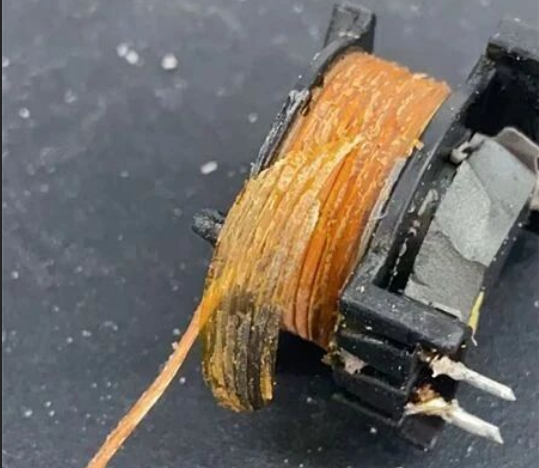
Furthermore, high-frequency conditions can lead to changes in the properties of insulating materials. For example, under a high-frequency electric field, the polarization process of the insulating material accelerates, but polarization losses also increase accordingly. This loss not only causes the material to heat up but may also trigger internal chemical changes, such as oxidation and decomposition, further reducing insulation performance.
Under high-frequency conditions, insulating materials are more prone to absorbing moisture. Moisture combines with the insulating material to form a weak dielectric, accelerating the aging process of the insulating material and causing a decrease in mechanical strength and electrical performance.
Therefore, the withstand voltage at high frequencies is different from that at power frequencies, and the high-frequency withstand voltage is more stringent.
So why is power frequency withstand voltage testing commonly used for high-frequency transformers, rather than high-frequency withstand voltage testing.
This is mainly based on the following aspects
1. Power frequency withstand voltage values are much higher than high-frequency withstand voltage values, leaving sufficient safety margin. Our high-frequency isolation transformers typically have a power frequency withstand voltage of 3750VAC/1mA/60s, far exceeding the peak voltage of high-frequency transformers during operation (around 1000V). While not entirely equivalent to high-frequency withstand voltage, it can reflect the transformer’s withstand voltage performance at high frequencies to some extent.
2. The entire unit often undergoes prolonged aging and loading tests to ensure the transformer meets withstand voltage and insulation requirements under high-frequency operation. Typical unit testing often includes long-term reliability tests under overvoltage, overcurrent, high temperature, and high humidity conditions to confirm that the transformer’s high-frequency withstand voltage and insulation life meet requirements.
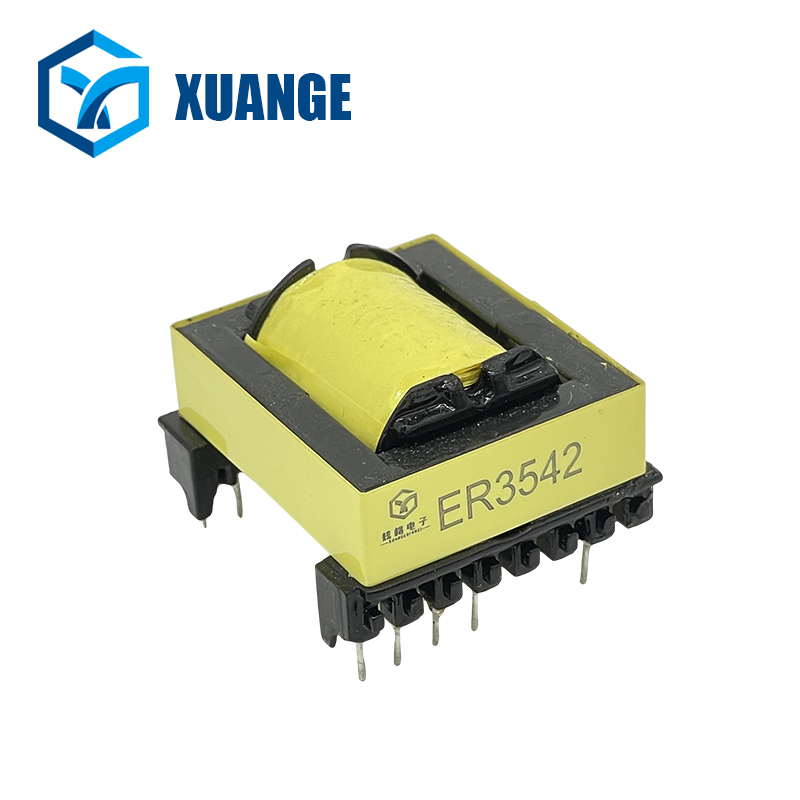
3. High-frequency transformers must comply with standards such as IEC, UL, CE, and CCC. These standards not only specify the voltage levels and test methods for withstand voltage testing but also sometimes impose mandatory safety distance requirements, thus ensuring high-frequency withstand voltage requirements to a certain extent.
4. Most electrical equipment withstand voltage test standards are based on power frequency. Power frequency withstand voltage testing has been used for many years, and its test methods, criteria, and safety specifications are highly mature. However, the standard system for high-frequency testing is still under development and lacks unified specifications.
5. High-frequency withstand voltage testing requires specialized equipment such as high-frequency high-voltage generators and high-frequency voltage measurement systems, which are far more expensive than power frequency equipment.
Post time: Dec-31-2025